There’s a lot I want to tell you about my week in Bangkok, including a significant breakthrough in our campaign for a debt justice law. But I want to start with the people I spent it alongside: campaigners from across Asia, Africa, Latin America and beyond who brought their own experiences of how unjust debt affects their communities, along with a lot of ideas and determination to push for real change.
I went to Bangkok to challenge two of the biggest lenders to lower-income countries – the International Monetary Fund (IMF) and World Bank. I came back with a reminder of how powerful our movement is when it comes together and a real reason to feel hopeful about the role we can play here in the UK.
Why these meetings matter
Every year, the IMF and World Bank hold their annual meetings, bringing together finance ministers, bankers, and big businesses to make decisions about global economic policy. This year, it was in Bangkok.
This might sound far removed from everyday life, but for millions of people it’s anything but. These institutions have huge influence over the finances of the 54 countries in debt crisis. They get to decide if countries can get debt cancelled – and how much. This can impact whether people in these countries can count on the basics like healthcare when they’re sick, a decent education for their children, and a government able to plan for the future.
But for years, these institutions have put profit before people. Instead of helping countries get their unjust debts cancelled, they keep lending them more and more money, often with harmful conditions attached.
These new loans get used to pay off existing ones – bailing out financial giants like banks and hedge funds. At the same time, countries in crisis are pressured into accepting terms that involve cutting public services and subsidies. Money that should be paying for nurses, teachers, and medicines ends up paying off debt. This is the cycle I went to Bangkok to challenge alongside campaigners from many countries that have been impacted by the actions of these powerful lenders.
The UK steps up on debt
There was an important commitment from the UK government that I want to share with you, and could make a real difference in breaking this cycle of debt. Foreign Secretary Ed Miliband gave a speech in Bangkok that set out the government’s plans for next year, when the UK takes over the presidency of the G20.
Thanks to persistent campaigning by Debt Justice supporters and allies, the government is making the debt crisis a priority for the G20 next year. He called for a “new deal on debt”, including faster relief through the G20’s debt relief scheme, known as the Common Framework, and deeper relief for the countries that need it most.
Crucially, he said that a single private lender should never be able to block a deal to reduce a country’s debts.
The only way to do this is with a new debt justice law, that would stop greedy lenders like big banks and debt vultures from dragging out negotiations and threatening to sue lower-income countries through the UK courts to secure themselves vast profits.
A huge nine in ten of the debt contracts between private lenders and lower-income countries are overseen by UK law. If the government is serious about this, it already has the power to act. A debt justice law here could stop private lenders from using UK courts to undermine debt relief agreements and make them take part in debt cancellation.
It’s a huge testament to the pressure that people like you have helped build that the government is using its G20 presidency to prioritise action on the debt crisis. Now is the time to ramp up the pressure.
Taking it to the streets
Throughout the week, people came together at gatherings like the International Peoples’ Assembly and the Feminist Festival of Resistance and Alternatives. Here, campaigners from around the world shared how unjust debt is affecting their communities, swapped tactics, and organised for change.
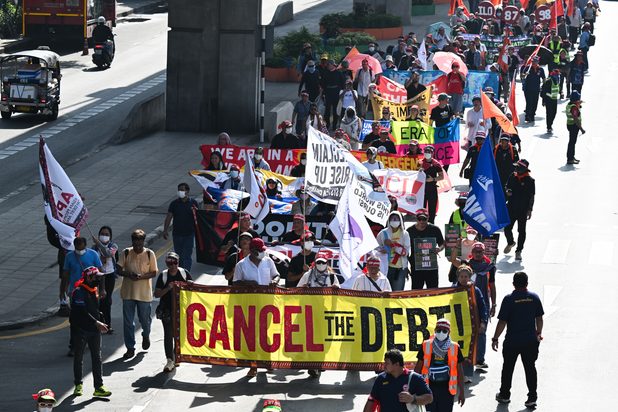
Then we took it to the streets. Thousands of us, led by people and movements from across the Global South, marched to the conference centre and raised our voices as one so that those inside the meetings couldn’t ignore us. Our message to them was simple: it’s time to put people before profit.
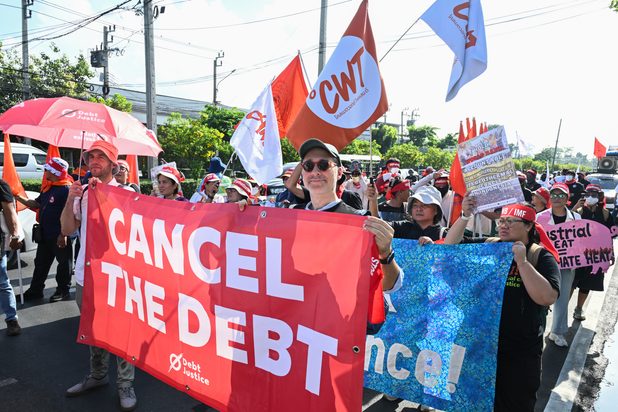
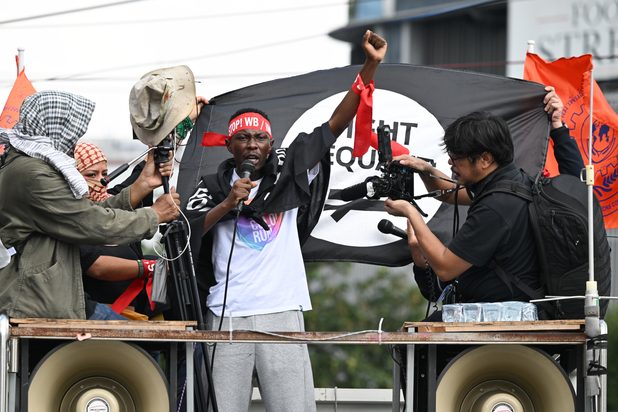
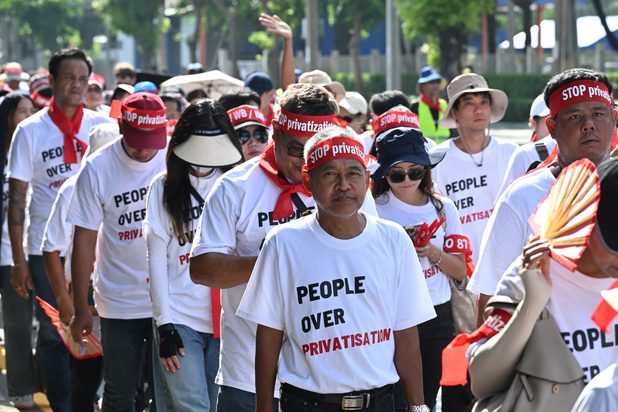
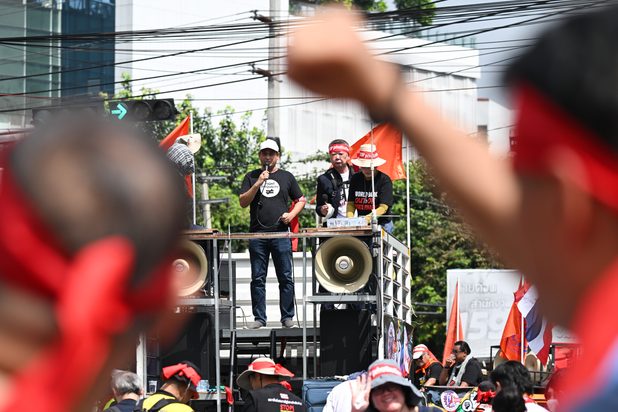
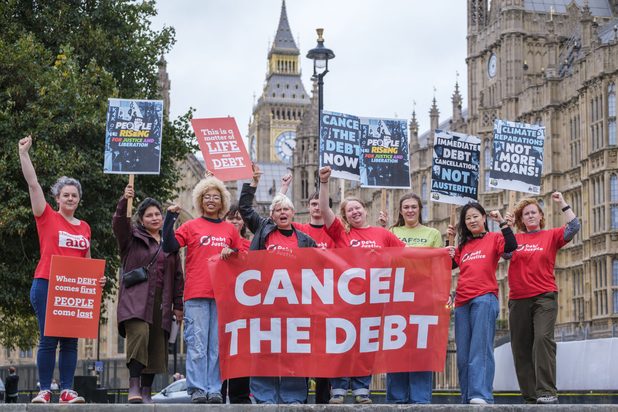
And it didn’t stop at Bangkok. On the Global Day of Action, people took part in events in dozens of countries, from Pakistan, India, Tanzania and Australia to right here in the UK.
Hearing from the people organising for change
One of my favourite parts of the week was connecting with our partners from organisations around the world and hearing how they’re creating change in their communities. I wanted you to hear from them too, so we brought some of these conversations to our online event, From the Streets of Bangkok, where they joined our executive director, Heidi Chow.
Shereen Talaat, founder of the MENA Fem Movement, based in Morocco, reminded us that this crisis is about people, not just numbers:
“For billions of people in our region, the debt crisis is not a crisis of numbers. It is a crisis of everyday life, of political choices, and ultimately of who has the power to decide whose lives matter.”
Collins Liko from the International Network for Economic, Social and Cultural Rights (ESCR-Net), based in Kenya, explained how countries end up trapped:
“As a country that is still developing, we need infrastructure, we need schools, we need roads. We need things that make our lives easy. But where do we get that money? So we are caught in a vicious cycle of borrowing and lending.”
In Kenya, you can see exactly what that cycle is costing them. Our latest research found that real government spending per person has been cut by 9% on education and a whopping 26% on health since 2019.
Turning words into action
The campaigners I met in Bangkok are the ones living with the consequences of unjust debt, and they’re the ones leading the fight against it. Again and again, the message I heard was clear: we must force those who hold power over global debt rules to act now.
That’s why our work here matters so much. With the UK about to lead the G20, we have a huge opportunity to push for decisions that could make a real difference to millions of people living in countries in crisis.
The coming weeks and months will be crucial as ministers work out their plans. We’ve got some big G20 campaigning plans of our own, and I can’t wait to share them with you. In the meantime, one of the simplest ways to stand in solidarity with the people I met in Bangkok is to add your name to our petition for a debt justice law.